




































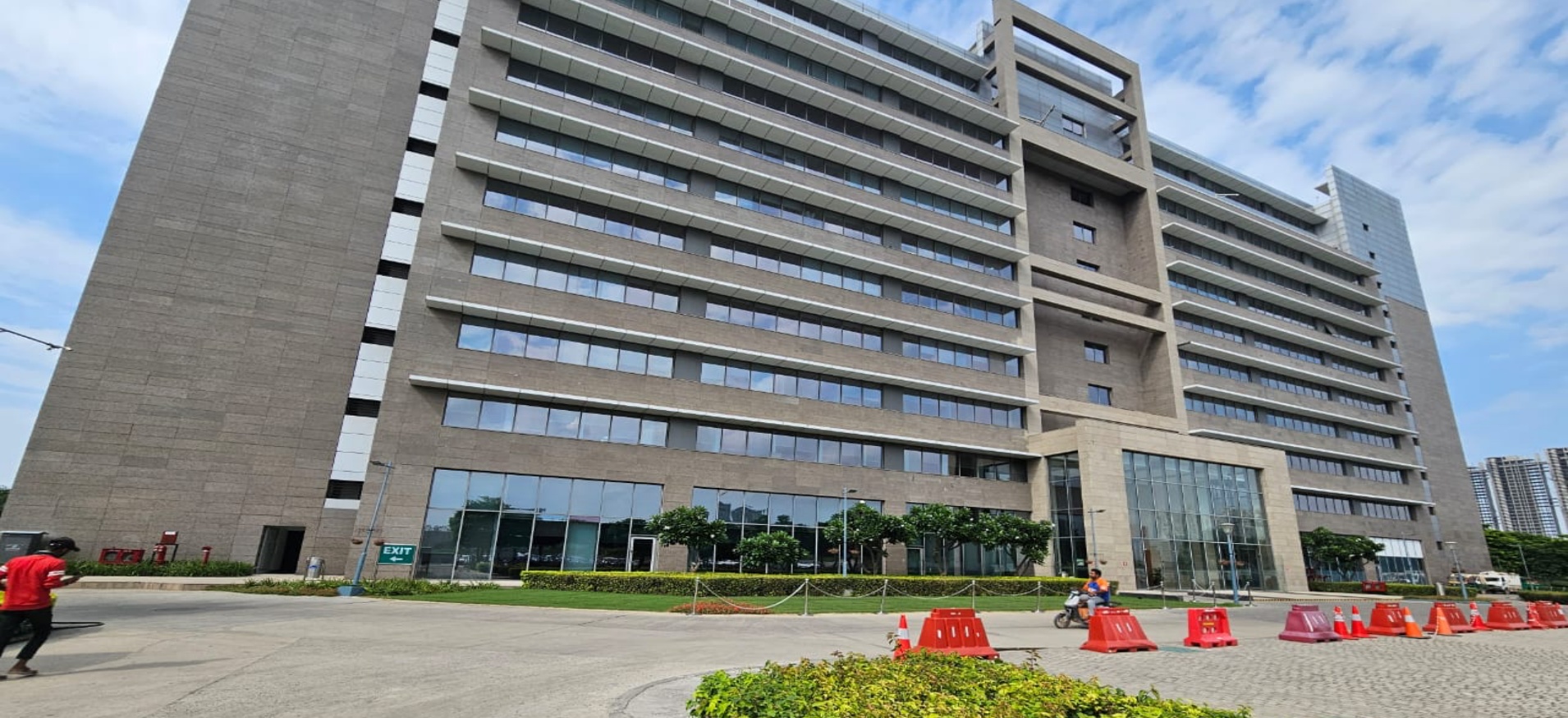









Real estate continues to be an important consideration for individuals looking to build long-term wealth, purchase a home, or diversify their investment portfolios. Among India's major property markets, Gurugram and the wider Delhi-NCR region attract attention because of their established business districts, residential developments, employment opportunities, and evolving infrastructure.
However, successful property investment requires more than identifying a popular location. Buyers need to understand their financial objectives, evaluate the property, assess the surrounding area, and consider the long-term implications of their purchase.
At HomeSeek Realtors, we help property seekers explore residential real estate opportunities and make informed decisions based on their individual requirements.
1. Why Gurugram Continues to Attract Property Buyers
Gurugram has developed into an important commercial and residential destination. Its business districts, corporate offices, educational institutions, healthcare facilities, and lifestyle amenities contribute to its appeal among professionals, families, and property investors.
The city offers a variety of residential options, including apartments, independent floors, builder floors, and premium residential developments. This variety allows buyers to explore properties according to their budgets, space requirements, and lifestyle preferences.
For investors, the key consideration is identifying a property that aligns with their investment horizon and has sustainable demand characteristics.
Rather than focusing exclusively on current popularity, buyers should evaluate the location, property quality, surrounding development, and potential resale or rental demand.
2. Infrastructure and Connectivity Matter
Infrastructure plays an important role in shaping the attractiveness of a real estate location. Road networks, public transportation, employment hubs, and access to everyday facilities can influence how convenient an area is for residents.
When evaluating a property in Gurugram or Delhi-NCR, consider the following factors:
- Connectivity to major employment centres.
- Access to metro stations and public transportation.
- Road accessibility and daily commuting requirements.
- Proximity to schools, hospitals, and shopping facilities.
- Availability of parks and recreational spaces.
- Existing infrastructure and the status of proposed developments.
It is important to distinguish between operational infrastructure and projects that are merely proposed or under development. Buyers should verify official project information and timelines rather than basing investment decisions entirely on future promises.
3. Choosing Between Residential Property Types
Different property types serve different purposes. Understanding these differences can help buyers identify an investment that matches their objectives.
- Apartments: Apartments may suit families and professionals looking for residential communities with shared amenities, security arrangements, and managed common areas.
- Builder Floors: Independent floors may appeal to buyers who prefer greater privacy, fewer shared living spaces, or a different residential layout. Buyers should carefully verify ownership, building approvals, parking arrangements, and maintenance responsibilities.
- Premium Residential Properties: Higher-end properties may offer additional amenities, larger living spaces, and specialised facilities. Buyers should evaluate whether these features justify the overall purchase and maintenance costs.
- Properties for Rental Income: Buyers considering rental income should examine local tenant demand, achievable rental values, vacancy risks, maintenance expenses, and the total acquisition cost.
The right choice depends on the intended use of the property, available funds, and the buyer's long-term plans.
4. Factors That Influence Property Investment Potential
A property should be evaluated on its individual merits rather than solely on the reputation of its location or developer.
Consider these important factors before making a decision.
- Location and Demand: Research the surrounding residential environment, employment opportunities, transport facilities, and demand from prospective occupants.
- Developer Reputation: Review the developer's track record, completed projects, construction quality, delivery history, and customer feedback.
- Legal Documentation: Verify the property's ownership, title documents, applicable approvals, and relevant registration details. For projects covered by real estate registration requirements, check the applicable details through the official regulatory authority.
- Total Cost of Ownership: The purchase price is only one component of the investment. Registration, applicable taxes, maintenance, financing costs, and other charges can significantly affect the overall budget.
- Resale and Rental Considerations: Consider whether the property is likely to meet the needs of future buyers or tenants. Property demand and returns can change with market conditions, so neither rental income nor capital appreciation should be assumed.
5. Understanding the Risks of Real Estate Investment
Real estate can offer long-term opportunities, but it also involves financial and practical risks.
Property transactions may be affected by changes in market demand, interest rates, project timelines, legal issues, maintenance expenses, and the availability of financing.
Some properties may take longer to sell than expected, while rental income may be interrupted by vacancies or unexpected expenses.
Before investing, buyers should:
- Establish a realistic budget.
- Maintain sufficient financial reserves.
- Avoid relying entirely on projected appreciation.
- Verify property documents independently.
- Understand the terms of any home loan.
- Evaluate the investment over an appropriate time horizon.
Taking these precautions can help reduce avoidable risks and support better financial decisions.
6. Is Real Estate a Suitable Long-Term Investment?
The suitability of real estate depends on individual financial circumstances, investment goals, liquidity requirements, and risk tolerance.
For some buyers, purchasing a home provides stability and long-term residential value. For others, a property may form part of a broader investment strategy involving rental income or potential resale.
However, property is generally less liquid than many financial assets, and buying or selling can involve substantial transaction costs.
Investors should compare real estate with other investment options and avoid making decisions based solely on market speculation or promotional claims.
7. How HomeSeek Realtors Can Help
Finding a suitable property requires time, research, and a clear understanding of your priorities.
HomeSeek Realtors assists property seekers in exploring residential options, comparing available properties, understanding basic property features, and arranging enquiries or site visits.
Whether you are searching for your first home, considering a larger residential property, or exploring real estate opportunities in Gurugram and the surrounding areas, our team can help you identify options that align with your stated requirements.
We encourage every buyer to verify property details, review the relevant documentation, and make decisions based on their individual needs.
Conclusion
Gurugram and Delhi-NCR offer a diverse range of residential real estate opportunities. Nevertheless, a successful purchase depends on careful research, realistic financial planning, location assessment, and proper legal verification.
Instead of following market trends blindly, focus on the property's suitability, overall cost, infrastructure, and long-term usefulness.
With the right information and a structured approach, you can make a more confident and informed property decision.